


Harela: A Festival of Greenery, Health, and Medicinal Prosperity — Time to Make it a Global People’s Movement
By Dr. Rajeev Kurele
The sacred land of Uttarakhand is not only known as Devbhoomi (Land of the Gods) but also as a treasure house of medicinal plants, forests, and rich biodiversity. Every traditional festival of the state reflects gratitude towards nature, and among them, Harela holds a special place. It symbolizes greenery, agriculture, environmental conservation, prosperity, and human well-being. More than a religious or cultural celebration, Harela represents the philosophy of harmonious coexistence between humanity and nature.
Celebrated with the onset of the monsoon and the beginning of the agricultural season, Harela conveys a powerful message of tree plantation and environmental stewardship. It reminds us that a healthy planet is the foundation of a healthy, prosperous, and secure society.
At a time when the world is facing the challenges of climate change, pollution, biodiversity loss, and lifestyle-related diseases, the message of Harela has become more relevant than ever. Environmental protection is not merely the responsibility of governments—it is the moral duty of every citizen.
The Inseparable Link Between Environment and Health
Ayurveda is founded on the principle that human beings and nature are inseparable partners. Clean air, pure water, fertile soil, and thriving forests are the pillars of a healthy society. Trees absorb carbon dioxide, release oxygen, regulate temperature, maintain the water cycle, prevent soil erosion, and conserve natural resources.
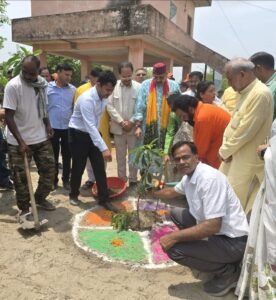
Harela encourages not only planting trees but also nurturing and protecting them. If every individual plants and cares for at least one tree every year, future generations can inherit a cleaner and healthier environment.


Medicinal Plants: Nature’s Priceless Gift
Uttarakhand is among the world’s richest regions in terms of medicinal plant diversity. The Himalayan ecosystem is home to thousands of medicinal herbs mentioned in ancient Ayurvedic texts.
These plants are not only valuable for treating diseases but also for strengthening immunity, improving mental well-being, and promoting a healthy lifestyle. Ayurveda rightly describes them as “life-giving natural wealth.”
Medicinal Plants Ideal for Plantation During Harela
- Tulsi (Holy Basil): Enhances immunity, supports respiratory health, relieves colds and coughs, and purifies the air.
- Giloy (Guduchi): Strengthens immunity and is beneficial in managing fever, diabetes, and several chronic conditions.
- Amla (Indian Gooseberry): An excellent natural source of Vitamin C and a renowned rejuvenating fruit.
- Neem: A powerful antibacterial tree beneficial for skin disorders and environmental purification.
- Arjuna: Well known for supporting cardiovascular health; its bark is widely used in Ayurveda.
- Bael (Wood Apple): Excellent for digestive health and revered for its religious significance.
- Haritaki, Bibhitaki, and Amla: The three ingredients of Triphala, beneficial for digestion, liver function, eye health, and immunity.
- Ashwagandha: A celebrated adaptogenic herb that helps reduce stress while enhancing strength and vitality.
- Shatavari: Supports women’s health, nutrition, and immune function.
- Brahmi: Renowned for improving memory, concentration, and cognitive health.
- Lemongrass: Used for herbal tea, stress relief, and natural insect control.
- Rudraksha: Suitable for Uttarakhand’s climate, with both ecological and spiritual significance.
- Buransh (Rhododendron): A signature Himalayan tree whose flowers are used to prepare a refreshing beverage beneficial for heart health.
Other valuable species such as Bay Leaf, Cinnamon, Tejbal, Kafal, Timur, and Chirayata further enrich Uttarakhand’s biodiversity and Ayurvedic heritage.
Making Harela a Global Green Movement
If International Yoga Day has become a worldwide celebration, Harela too has the potential to emerge as the “Green Festival of the World.”
To achieve this vision, the following initiatives can be adopted:
- Encourage every citizen to plant a tree on birthdays, anniversaries, and other special occasions.
- Launch an “One Student, One Tree” campaign in every school and university.
- Motivate every AYUSH practitioner to inspire each patient to plant at least one medicinal plant.
- Develop “Medicinal Villages” at the Gram Panchayat level.
- Encourage every family to grow at least five medicinal plants at home.
- Inspire the global Uttarakhand diaspora to celebrate Harela across the world.
- Promote social media campaigns using hashtags such as #GlobalHarela and #PlantForLife.
- Strengthen collaboration among universities, research institutions, and the AYUSH Department for scientific conservation and awareness of medicinal plants.
A Festival for the Future of Humanity
Harela is far more than a regional festival of Uttarakhand. It is a celebration of nature, culture, health, and sustainable development. It teaches us that protecting the Earth is essential for protecting humanity itself.
If every individual plants and nurtures just one medicinal tree every year, Uttarakhand can once again emerge as a global hub of medicinal biodiversity and traditional healing.
Let this Harela be more than a tree-planting event. Let it become a lifelong commitment to safeguarding nature.
This is our culture. This is the message of Ayurveda. This is our responsibility towards future generations.