

By Dr. I. H. Najmi
Unani medicine is one of India’s long-standing and important systems of traditional healthcare. Rooted in the principles of balance between the body, mind and lifestyle, the system has been practised for centuries and continues to have a significant place in India’s diverse healthcare landscape.
At the heart of Unani medicine is the belief that maintaining the body’s natural balance is essential for good health. The system takes into account an individual’s temperament, dietary habits, lifestyle, environment and overall health while approaching treatment. Rather than focusing solely on the symptoms of a disease, Unani medicine places emphasis on the overall well-being of the individual.
The Role of Natural Medicines
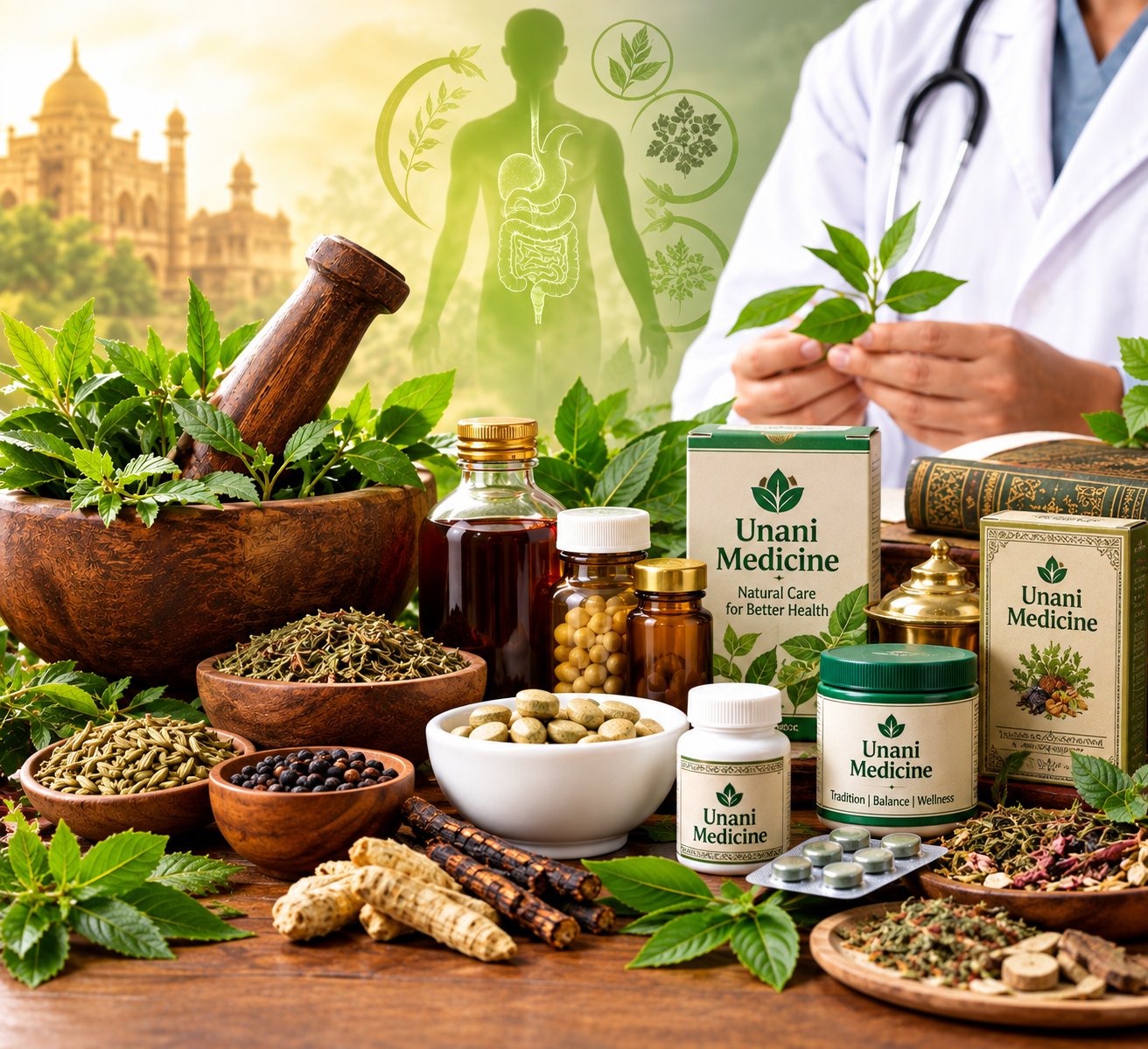
Unani medicine makes use of medicinal substances derived from plants, minerals and other natural sources. Its traditional preparations include decoctions, powders, extracts, tablets, syrups and various other formulations.
However, it is important to remember that “natural” does not necessarily mean completely safe. Medicines should be taken only on the advice of a qualified practitioner and in the prescribed dosage. Pregnant women, children, elderly people and those already taking medicines for other health conditions should exercise particular caution and consult a healthcare professional before using any additional medication.
Prevention is Better Than Cure
Unani medicine gives considerable importance to diet and lifestyle. A balanced diet, adequate sleep, regular physical activity, personal hygiene and mental well-being are regarded as important pillars of a healthy life.
In today’s fast-paced world, irregular eating habits, prolonged stress, inadequate sleep and lack of physical activity are increasingly becoming part of everyday life. These lifestyle factors can contribute to a range of health problems, making preventive healthcare and healthy daily habits more important than ever.
Unani Medicine in the Modern Era
Unani medicine is also evolving in the fields of education, research and institutional healthcare. Traditional knowledge is increasingly being studied and evaluated through modern scientific approaches. Such research can help improve our understanding of both the potential benefits and the limitations of traditional systems of medicine.
At the same time, patients should not rely solely on home remedies or self-medication, particularly in serious or emergency situations. Unani medicines, like other forms of treatment, should be used responsibly and under the guidance of a trained and registered medical practitioner.
The Need for Greater Public Awareness
There is a growing need to create greater public awareness about the responsible use of Unani medicines. People should have access to reliable information about the appropriate use, dosage, possible precautions and circumstances in which professional medical advice is necessary.
Self-medication, using medicines prescribed for someone else, taking medicines for prolonged periods without medical supervision, or relying solely on information available on the internet and social media can be risky and should be avoided.
Unani medicine represents an important part of India’s rich healthcare heritage. Its traditional knowledge, when combined with scientific research, evidence-based evaluation and responsible medical practice, can continue to contribute to healthcare and overall well-being.
Ultimately, better health depends not only on treatment but also on awareness, a balanced lifestyle and timely guidance from a qualified healthcare professional.
— Dr. I. H. Najmi