

by Babita Singh
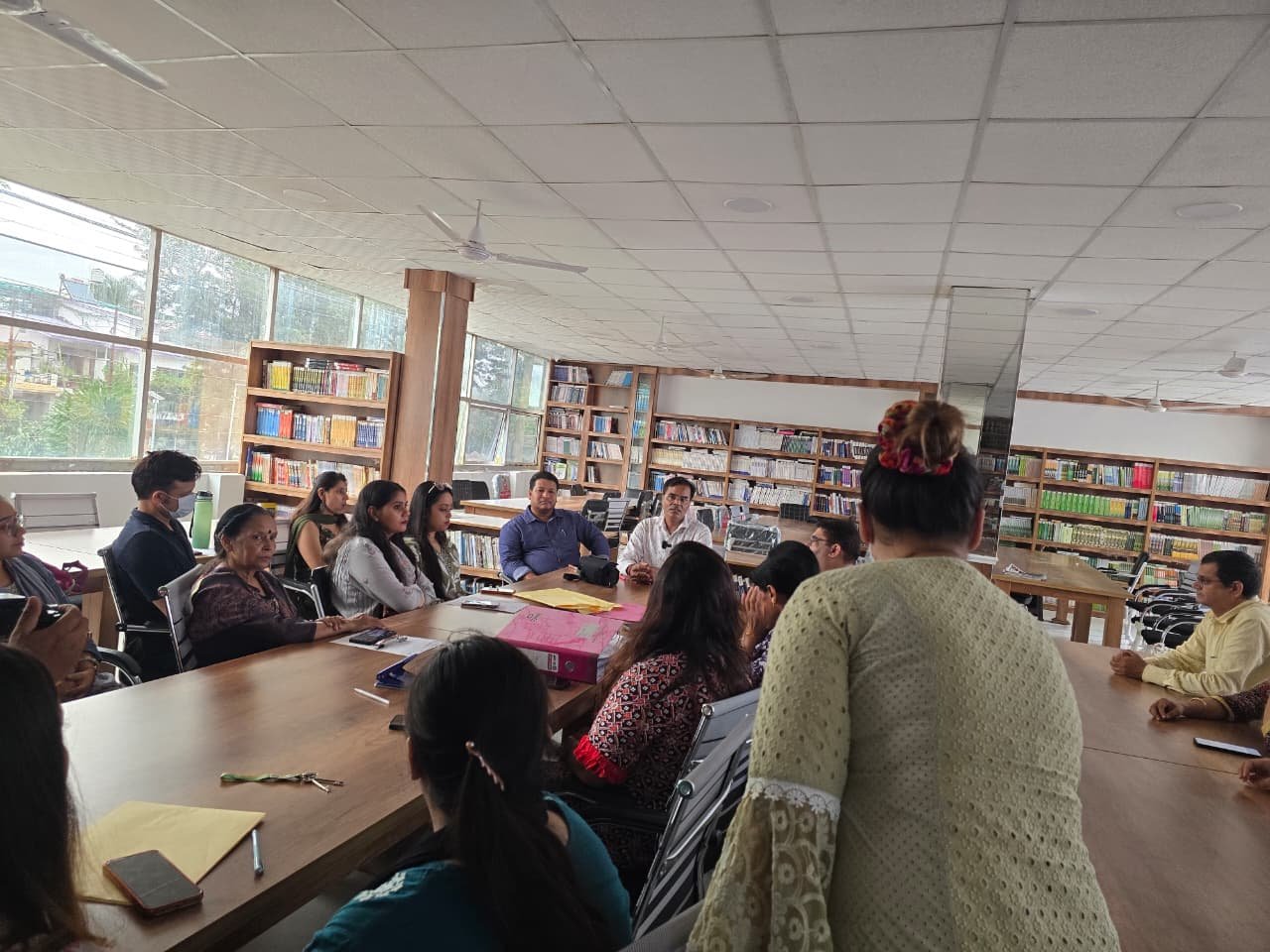
Dehradun: With lifestyle-related health concerns increasingly drawing attention to the importance of prevention and wellness, experts at a health awareness seminar held at DD College, Garhi Cantt, on Sunday emphasised the need to make healthy daily routines an integral part of life. The programme, organised as part of the National Ayurveda Day 2026 campaign, focused on the theme “Ayurveda for Healthier Tomorrow” and highlighted the role of preventive healthcare in building healthier individuals and communities.
The health camp and awareness seminar were organised by the Main Campus of Uttarakhand Ayurved University, Harrawala, in accordance with the campaign directions of the National Commission for Indian System of Medicine (NCISM), Ministry of Ayush, Government of India.
The programme was held under the guidance of Prof Pankaj Sharma, Campus Director, Main Campus, with the participation of Dr Rajeev Kurele, Nodal Officer, and Dr Rishi Arya, Nodal Officer, Faculty of Ayurveda, Main Campus.
Focus on prevention rather than waiting for illness
Addressing the faculty members of DD College, the speaker said that maintaining good health requires a conscious effort long before the onset of disease. The discussion centred on how individuals can protect their health by adopting disciplined routines, appropriate dietary practices, physical activity and other healthy lifestyle measures.
The seminar examined the question of how people can remain healthier in the years ahead amid changing lifestyles, increasing stress, irregular eating patterns and reduced physical activity.
Participants were also sensitised to the importance of identifying unhealthy habits at an early stage and making practical changes in everyday life.
The discussion covered four key areas—preserving health, preventing disease, strengthening overall well-being and adopting sustainable lifestyle practices.
The speakers stressed that Ayurveda places considerable emphasis on maintaining health as well as addressing illness. Concepts related to daily routine and seasonal adaptation were discussed in the context of contemporary lifestyles, with participants encouraged to develop habits that support long-term well-being.
Five health pledges administered
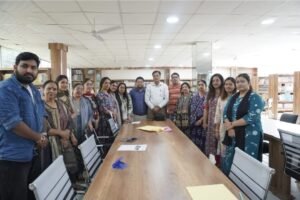
One of the key features of the awareness programme was the administration of five health pledges to the teaching faculty. The initiative was aimed at turning the message of healthy living into practical commitments that can be followed in everyday life.
The participants were encouraged to remain conscious of their dietary habits, maintain regularity in their daily routine, remain physically active, give adequate attention to rest and mental well-being, and adopt a proactive approach towards preventive healthcare.
The organisers said such commitments could have a wider impact when teachers themselves become ambassadors of healthy living and convey the message to students, families and the wider community.
Ayurvedic health camp held in the morning
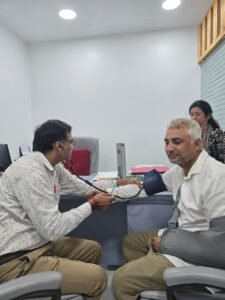
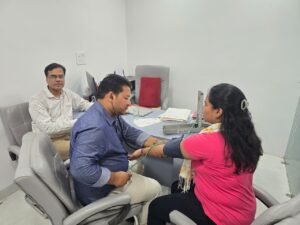
The awareness seminar was preceded by a health camp held on the college premises in the morning. Ayurvedic medical consultations were provided to participants, while visitors were counselled on healthy lifestyle practices and ways of maintaining well-being through appropriate habits.
The camp also sought to increase awareness about Ayurveda as a system that focuses not only on treatment but also on preservation of health and prevention. Participants were advised to seek professional medical consultation wherever required rather than relying on self-medication.
The organisers said the health camp provided an opportunity to take Ayurveda-related health awareness directly to the community and encourage people to become more conscious of preventive healthcare.
Teachers play key role in spreading health awareness
Dr Rishi Arya, Assistant Professor, Department of Dravyaguna Vigyan and co-coordinator of the Main Campus campaign, was also present during the programme.
The participation of teachers was considered particularly significant as educational institutions can play an important role in creating awareness about healthy lifestyles among young people. The organisers said that health awareness introduced at the educational level can gradually influence families and communities.
The programme also underlined that a healthy lifestyle does not necessarily depend on complicated interventions. Consistency in daily habits, balanced food choices, adequate physical activity, proper rest and awareness about one’s health can make a meaningful difference over time.
‘Health is more than absence of disease’
Concluding the programme, the speakers reiterated that health should not be viewed merely as the absence of disease but as a valuable foundation for a productive and fulfilling life.
The National Ayurveda Day campaign, they said, provides an opportunity to reconnect communities with the broader principles of preventive healthcare and responsible living.
The organisers called upon participants to adopt appropriate healthy practices in their own lives and encourage others to do the same.
“Ayurveda for a healthier tomorrow”, they said, is ultimately a collective objective—one that begins with individual choices and can eventually contribute to healthier families, healthier institutions and a healthier society.